Mastering Your Microbiome: A Strategic Guide to Gut Health for Longevity
It started as a mission, an operation conducted on my own kitchen counter. The
objective: to create a strategic asset for my health. My targets were humble but full of
potential: heads of green and purple cabbage, carrots, golden beets, even okra. My
tools were simple: salt, water, glass jars, and a collection of online recipes that served
as my field manuals.
The prep work was the hardest part, a lesson in patience and precision. Chopping,
salting, packing—I used about a tablespoon and a half of salt per pound for the
cabbage. For the carrots, beets, and okra, I made a brine infused with garlic,
peppercorn, turmeric, and dill. I boiled the water to eliminate chlorine, a simple step to
ensure the right microscopic environment. Then, I sealed the jars and waited for nature
to do its work.
Within days, I was rewarded with the tangy, complex flavors of fermentation. It was
surprisingly easy. But this kitchen experiment wasn't just about making a tasty
condiment. It was a hands-on investigation into one of the most critical pillars of
longevity: gut health.
For years, we've been told to "take probiotics." The supplement industry has exploded,
offering capsules filled with billions of bacteria promising everything from better
digestion to a clearer mind. But this trend raises important questions. Is popping a pill
truly the best approach? How did our ancestors maintain gut health? And what does it
take to build a truly resilient foundation for gut health that lasts a lifetime?
In this article, I’ll share what I learned from this deep dive into gut health. The goal is to
cut through the noise and provide a clear, actionable plan for mastering your
microbiome.
Your Body's Second Brain
To build a plan for better health, we first need to understand the fundamentals. Your gut
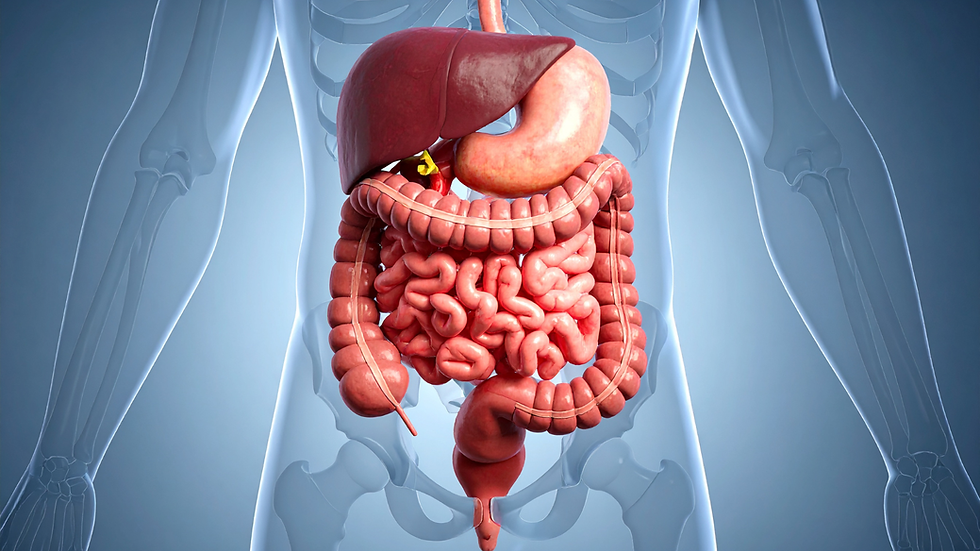
is far more than a simple digestive tube; it is a complex ecosystem, home to trillions of
microorganisms—bacteria, viruses, and fungi—collectively known as the microbiome.
Think of it as a bustling internal metropolis. For a long time, we thought its only job was
to break down food. We were wrong.
This internal ecosystem is so critical that scientists now refer to it as the "second brain."
It is connected directly to your central nervous system via the gut-brain axis, a constant, two-way superhighway of chemical and electrical signals. This means the state of your gut directly influences your mood, your cognitive function, and your mental health.
The link is profound. An estimated 90% of your body's serotonin, the "feel-good"
neurotransmitter that regulates mood, anxiety, and happiness, is produced in your gut.
An imbalanced microbiome has been linked in numerous studies to increased rates of
depression and anxiety. When your gut is in turmoil, it sends distress signals to your
brain. When it is thriving, it supports a state of calm and clarity.
But the influence doesn't stop there. Roughly 70-80% of your immune system is housed
in your gut. Your microbiome acts as the front-line training ground for your immune
cells, teaching them to distinguish between friend and foe. A healthy gut means a robust
immune system. An unhealthy gut can lead to chronic inflammation, autoimmune
issues, and increased susceptibility to illness.
The Gut's Role in Chronic Disease
A compromised gut is not an isolated problem; it is a direct contributor to the primary
diseases that shorten our lifespan and, more importantly, our healthspan:
1. Heart Disease
2. Cancer
3. Diabetes & Metabolic Dysfunction
4. Cognitive Decline (e.g., Alzheimer's)
An imbalanced gut, a state known as dysbiosis, is a major source of chronic
inflammation. When your microbiome is dominated by less beneficial bacteria, it can
damage the gut lining. This "leaky gut" allows inflammatory molecules to escape into
your bloodstream, creating a state of low-grade, systemic inflammation that silently
contributes to these diseases.
• Heart Disease and Inflammation: This chronic inflammation is a key driver of
cardiovascular disease. It damages the delicate inner lining of your arteries (the
endothelium), making the artery walls "sticky." This allows cholesterol to become
lodged in the artery wall, initiating the formation of plaque and directly increasing
your cardiovascular risk.
• Link to Cancer: Inflammation creates an environment that can promote the
growth and spread of cancer cells. This happens because the constant state of
alarm can damage cellular DNA, increasing the risk of mutations, while also
sending out growth signals that cancer cells can use to multiply. A healthy,
balanced microbiome is a key part of your body's natural defense system against
this process
• Impact on Metabolic Health: An unhealthy microbiome can impair your body's
ability to regulate blood sugar and insulin. The inflammatory molecules released
from a leaky gut are known to interfere with insulin signaling, making your body's cells less responsive to insulin's command to absorb sugar. This directly
contributes to the insulin resistance that leads to Type 2 Diabetes.
• The Gut-Brain Connection and Cognitive Decline: The gut-brain axis is a two-
way street. Inflammatory signals from a compromised gut can cross the blood-
brain barrier, causing inflammation within the brain itself (neuro-inflammation). This process is now understood to be a key factor in the development of cognitive decline and is a hallmark of diseases like Alzheimer's.
Your gut is not a peripheral system. It is central to your immunity, mental well-being,
and your body's ability to defend against the diseases of aging. A plan for longevity that
ignores the microbiome is a plan destined to fail.
Common Factors That Harm Gut Health
To improve your gut health, you must first identify and minimize the factors that harm it.
In the modern world, two of the most significant are alcohol and the typical Western diet.
Alcohol's Impact on the Microbiome
Alcohol is a potent gut disruptor. It directly contributes to the problems we just discussed by causing dysbiosis (harming good bacteria) and damaging the intestinal lining, which increases leaky gut and fuels systemic inflammation. While occasional, moderate consumption may be tolerated by a healthy system, regular or heavy use is fundamentally detrimental to your long-term health goals.
The Modern Diet and Lack of Microbes
For millennia, our ancestors' diets were rich in microbes from fresh, soil-grown foods
and fermentation. Today, our food system is fundamentally different.
The modern Western diet—high in processed foods, refined sugar, and unhealthy fats
while being low in fiber—is harmful to your gut. It starves your beneficial microbes of the prebiotic fiber they need to survive.
Furthermore, our focus on sanitation has led to widespread pasteurization. Most
sauerkraut you find on a supermarket shelf, for instance, has been heat-treated. This
kills all bacteria—including the beneficial ones—to ensure a long shelf life. While it still
provides fiber, its value as a source of probiotics is gone.
Shopping Tip: When buying fermented foods like sauerkraut or pickles for their
probiotic content, they must be found in the refrigerated section and be labeled "raw," "unpasteurized," or "contains live cultures." If it's on a room-temperature shelf, its
probiotic benefits have almost certainly been eliminated.
Supporting Your Gut: Fermented Foods vs. Supplements
This brings us to a core question: what is the best way to support this vital
ecosystem? Do we rely on the ancient wisdom of traditional foods or the precision of
modern supplements? The best approach uses both for different purposes.
The Traditional Approach: The Power of Fermented Foods
Before the first probiotic pill was ever conceived, there was kimchi, sauerkraut, yogurt,
kefir, and miso. The benefits of these foods were first theorized by Nobel laureate Élie
Metchnikoff in the early 20th century, who observed the exceptional longevity of
Bulgarian peasants who consumed large quantities of fermented milk, effectively
nurturing their gut daily.
My wife, who is from South Korea, provides a living example. For most of her life, kimchi
was a dietary staple. As she adopted a more Western diet in the US, her kimchi
consumption decreased, and she began to suffer from severe constipation. Her body,
accustomed to a daily influx of diverse probiotics, was struggling to adapt.
This highlights the power of fermented foods. When you eat them, you're not just
ingesting one or two strains of bacteria. You are consuming a complex ecosystem
containing a wide diversity of probiotic strains, along with the prebiotic fiber (the food for the bacteria) and other vital nutrients created during fermentation.
Benefits of Fermented Foods:
• Microbial Diversity: They provide a broad spectrum of different beneficial
bacteria, key to a resilient gut ecosystem.
• Prebiotic Fuel: They contain the very fiber that probiotics need to thrive in your
gut.
• Enhanced Nutrients: Fermentation can make vitamins and minerals in food
easier for your body to absorb.
Eating fermented foods is like tending to a garden; you get seeds (probiotics), the
fertilizer (prebiotics), and a healthier soil all in one.
The Modern Approach: The Role of Supplements
If fermented foods are so great, is there any reason to take a probiotic supplement?
Absolutely. Think of a supplement as a targeted tool used for a specific job.
While fermented foods provide broad diversity, a high-quality supplement can deliver a
massive, targeted dose of a specific, well-researched strain of bacteria known to help
with a particular issue.
For example, certain strains like Lactobacillus rhamnosus GG have been extensively
studied for their ability to reduce the duration of diarrhea, while strains
like Bifidobacterium lactis are researched for their effects on constipation. While the
claims on many supplement bottles can be overblown, they are invaluable for specific,
evidence-backed uses.
Benefits of Supplements:
• Targeted Strains: You can choose a supplement containing the exact strains
studied for your specific health goal.
• High, Specific Doses (CFUs): Supplements provide a guaranteed Colony-
Forming Unit (CFU) count, ensuring you get a therapeutic dose.
• Convenience and Stability: They are easy to take, especially during travel or
after a course of antibiotics.
The Verdict: Is one better than the other? That's the wrong question. The right question
is, "What is my goal?" For building a foundation of overall gut resilience and
diversity, fermented foods are superior. For addressing a specific, acute issue or
ensuring a therapeutic dose of a particular strain, supplements are an invaluable tool. A
comprehensive gut health plan should ideally include both.
An effective plan requires clear guidelines.
Finding the Right Amount: Can You Overdo It?
In our culture of optimization, it's tempting to think "more is better." This is often a
mistake. The goal of gut health is not to flood your system with a single organism; it is to cultivate a balanced and diverse ecosystem. You are trying to build a rainforest, not a
cornfield. Too much of a single probiotic strain, particularly from high-dose supplements, can in some cases lead to temporary gas and bloating.
• For Fermented Foods: Consistency is more important than quantity. Aim for a
small serving (a few forkfuls of sauerkraut, a small glass of kefir) daily or several
times a week.
• For Supplements: Follow the product's instructions. A typical therapeutic dose
ranges from 10 to 30 billion CFUs. Higher doses should be used for specific,
short-term reasons.
How to Incorporate Fermented Foods
To successfully integrate these powerful foods into your diet, follow these simple
guidelines:
• Start Small. Your gut is an established community. A sudden, large introduction
of new microbes can cause temporary gas or bloating. Begin with small
amounts—a single forkful of kimchi with a meal or a few tablespoons of kefir in a
smoothie.
• Prioritize Consistency. A small, daily addition is more effective for long-term
health than a large amount once a week. Consistency is what helps build a
diverse and robust microbial population over time.
• Diversify Your Sources. Relying on a single type of fermented food is not ideal.
Different foods provide different strains of beneficial bacteria. To build a truly
resilient gut, diversify your intake with items like sauerkraut, kimchi, yogurt, kefir,
and miso.
• Don't Cook Them. Remember, these are living foods. Heat kills beneficial
bacteria. To preserve their probiotic value, add them to your plate after your food
has been cooked, either as a topping or on the side.
• Feed Them with Prebiotics. Probiotics need fuel to thrive. That fuel is prebiotic
fiber. Support your probiotic intake by eating plenty of high-fiber foods like
oatmeal, asparagus, garlic, onions, bananas, and leafy greens.
Remember: Probiotics are the seeds, and prebiotics are the fertilizer. You need
both for a healthy garden.
What Happens If You Stop Taking Probiotics?
What happens if you, like me, have been taking a daily probiotic for over five years and
suddenly stop? Your gut has adapted to that consistent, daily input. Suddenly halting it
can trigger a temporary period of disruption for your microbiome.
Just as my wife's system struggled when her kimchi was removed from her diet, your
internal ecosystem may be temporarily unsettled. The specific strains from the
supplement will likely decrease in population, forcing your native bacteria to find a new
balance. This can lead to a period of instability, potentially resulting in bloating, gas, or
unpredictable bowel habits. A diet rich in prebiotic fiber and diverse fermented foods will make your system far more resilient and better able to handle such a change.
Conclusion: From Tactic to Lifelong Strategy
My kitchen counter fermentation project taught me a valuable lesson. Taking charge of
your gut health is not about randomly taking a supplement or eating yogurt once in a
while. It is about implementing a conscious, long-term strategy.
1. Understand the Mission: Recognize that your gut health is a central command
center for your mental clarity, immunity, and your defense against the diseases of
aging.
2. Employ a Two-Pronged Approach: Use fermented foods for building a diverse,
resilient foundation, and use targeted supplements for specific goals or during
times of disruption (like antibiotic use or travel).
3. Identify and Neutralize Threats: Minimize your intake of gut-disrupting agents
like alcohol and processed foods.
4. Fuel Your Forces: Consistently provide prebiotic fiber from a variety of plant
sources to nourish your internal allies.
5. Prioritize Resilience and Balance, Not Over-Optimization: The goal is a
diverse and resilient ecosystem, not a monoculture of a single "super" strain.
Building a high-performance microbiome is the work of a lifetime, a core component of
the Longevity Triad. By shifting your mindset from random tactics to a comprehensive
strategy, you can take command of this vital system and build a foundation for a longer,
healthier, and more resilient life.


Comments